Transport, shopping and development in Croydon
Croydon's growth was closely linked to the development of transport routes, the railway and a thriving town centre. Learn how these developments helped shape the township over time.
Mount Dandenong Road
The first constructed road through the area led to Mount Dandenong and was known as Sawmill Road, probably named after a nearby sawmill that produced building timber. This road was later called Oxford Road, then given its current name of Mount Dandenong Road. The area became better known as bullock teams heading for the gold fields in Woods Point and the Great Dividing Range used this new road.
Transport
In 1874 Cobb & Co ran horses and carts between Melbourne and Brushy Creek and mail arrived daily, a vast improvement from the once-a-week delivery by horsemen up until this time.
When the railway was constructed through White Flats to Lilydale in 1882, people were able to travel to Melbourne in an hour and a half. Electric trains were in service between Ringwood and Croydon in 1924 and in 1925 the service was extended from Croydon to Lilydale.
The railway encouraged residential growth and supported the expansion of Croydon's shopping precinct.
The naming of Croydon Station
The first railway station at Croydon would probably have been named White Flats if most of the white plants hadn’t disappeared, ploughed in by farmers.
It was first known as Warrandyte station as it was the first station in Warrandyte Parish, then South Warrandyte and finally Croydon after consultation within the community.
‘Croydon’ was selected, after the home town in England of the wife of the original owner of the land on which the station was built. Before the town adopted its present name, it was widely known as White Flats.
Shopping
The first shops in Croydon were built on land in Main Street from 1885, these included a:
- general store, which later had a wine licence
- butcher
- baker
- grocer
- timber merchant.
The station-master had managed the Post Office until it was relocated to one of these shops. From 1921 shops were no longer built from timber as Main Street was declared a ‘brick’ area. The growth of local businesses reflected Croydon's transition from a rural settlement to an established township. Learn how Croydon became a separate municipality through the Severance of Croydon.
Market Mondays
A market was established in 1920 where livestock was auctioned and household items could be purchased on ‘Market Mondays’. The markets reflected the importance of farming and agriculture to the local economy. Farming remained an important part of Croydon's identity long after the township began to grow.
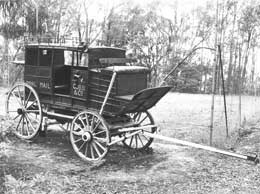
Image caption: Electric trains were in service between Ringwood and Croydon in 1924, in 1925 the service was extended from Croydon to Lilydale.
Image caption: Croydon’s name was adopted for the local railway station, reflecting the important role the railway played in the township’s early development.
Image caption: Early shops along Main Street became the heart of Croydon’s growing township, providing essential goods and services to local residents.
Continue exploring Maroondah's history
Related Croydon pages
Other local history